About High Pressure Control Valve
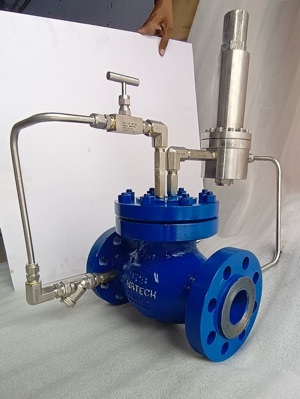
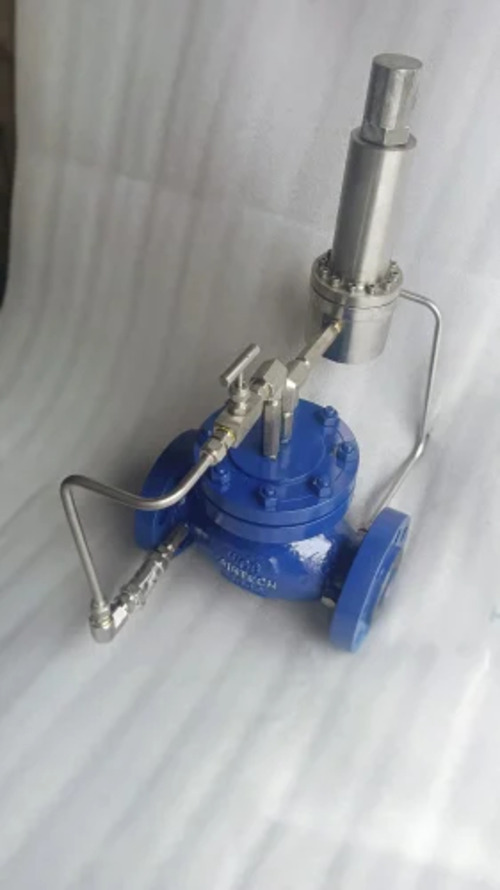
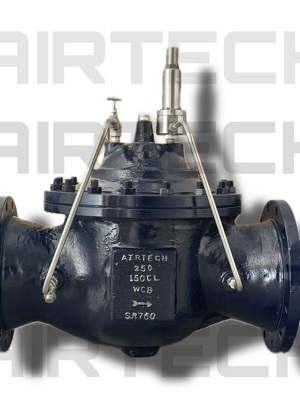
AIRTECH MAKE HIGH PRESSURE VALVES
A pneumatic control valve is an automated industrial device that uses compressed air pressure to adjust the position of a valve internal element, precisely regulating the flow, pressure, or temperature of liquids and gases.
Superior Corrosion ProtectionThe epoxy-painted body ensures excellent resistance against harsh industrial environments and aggressive chemicals. This advanced coating significantly extends the valve's operational life by preventing rust, corrosion, and surface degradation even during prolonged exposure to moisture, chemicals, or high-pressure fluids.
Reliable Shutoff PerformanceLeveraging tight shutoff capability and advanced bubble-tight sealing, the valve guarantees leak-free operation-even in extreme conditions. Its trim materials, such as Stellite or SS316L, withstand severe wear and high temperatures, securing a reliable closure in compliance with ANSI Class VI/V leakage standards.
Versatile Industrial ApplicationsDesigned for broad compatibility, the HPV Series caters to water, steam, oil, gas, and various chemical flows. Its flexible actuator options (pneumatic/ manual), end connections, and control signals provide seamless integration into new or retrofit industrial systems across process plants, refineries, and utilities.
FAQ's of High Pressure Control Valve:
Q: How does the epoxy body coating enhance the valve's corrosion resistance?
A: The epoxy painting provides a robust protective layer on the valve body, shielding it from corrosive agents like water, chemicals, and industrial vapors. This coating prevents rust formation and extends the valve's service life, making it ideal for demanding industrial applications.
Q: What types of actuators are available for the High Pressure Control Valve?
A: This series accommodates pneumatic spring return or double acting actuators for automatic operation, as well as manual actuation. You can further enhance control precision with optional positioners that accept 4-20 mA control signals for integration with automated systems.
Q: When should I select Stellite or SS316L for the valve trim?
A: Stellite trim is preferred for severe service or where high hardness and wear resistance are essential, such as high-pressure steam or abrasive fluids. SS316L is suitable for media where corrosion resistance is prioritized over extreme hardness, such as chemical or pharmaceutical fluids.
Q: Where are these control valves typically installed?
A: HPV Series control valves are installed in a variety of industrial environments, including power plants, process industries, refineries, water treatment facilities, and any setting that requires precise flow regulation under high pressure or harsh conditions.
Q: What is the process for selecting the appropriate end connection?
A: Choosing the end connection-Raised Face (RF), Ring Type Joint (RTJ), or Butt Weld-depends on your pipeline standards, pressure rating, and application. Raised face and RTJ are common for flanged connections, while butt weld is chosen for high-pressure or welded systems.
Q: What benefits does the ANSI Class VI/V leakage rating provide?
A: Valves meeting ANSI Class VI/V offer superior sealing performance with negligible leakage rates. This ensures process efficiency, safety, and environmental compliance, especially when handling hazardous or expensive media.
Q: How does the valve maintain tight shutoff and low noise operation?
A: The combination of high-hardness trims, precise seat design, and specialized packing materials enables bubble-tight closure, while the low-noise design of the internal flow path minimizes turbulence and reduces operational sound levels.
 Gujarat, India






 Send Inquiry


 Send Inquiry
 Send Inquiry
 Send SMS
 Call Me Free
